






Entering retirement is one of the most rewarding milestones in life. It is an opportunity to slow down, pursue new hobbies, and spend more time doing what you truly enjoy. For many seniors over 60, considering where and how to spend these years leads directly to exploring independent retirement living. Designed for active older adults, independent retirement living offers a maintenance-free lifestyle paired with safety, connection, and full personal autonomy.
If you are beginning to research your retirement living options, you might wonder what sets this lifestyle apart from other forms of housing or aged care. This comprehensive guide breaks down everything you need to know about independent retirement communities, from daily lifestyle and amenities to financial structures and future support.
Key Takeaways
- Autonomy and Freedom: Designed for self-sufficient seniors who want a manageable home without losing their independence.
- Aged Care Distinction: It is distinctly different from residential aged care, which provides 24-hour clinical nursing and continuous personal care.
- Low Maintenance Living: Residents enjoy modern homes designed for easy living, leaving maintenance and garden care to village management.
- Connected Community: Living in a retirement village offers ongoing opportunities for social activities with like-minded people, reducing isolation.
- Flexible Support Options: Most communities allow access to home care support services, helping you remain living independently even if your health needs change.
- Clear Financial Models: Contracts usually involve an entry contribution, an ongoing monthly service fee, and a deferred management fee upon exit.
Understanding Independent Retirement Living
At its core, independent retirement living is designed for seniors who can live independently but want to simplify their day-to-day lives. Unlike traditional residential properties, these purpose-built homes allow residents to downsize into secure, manageable environments without sacrificing their independence.
Accommodation typically includes modern villas, low-maintenance units, and stylish apartments. Each independent living unit is thoughtfully constructed with accessibility and safety in mind, featuring step-free layouts, wider doorways, and emergency call systems. Choosing an independent lifestyle allows you to trade burdensome household chores and garden upkeep for more freedom to enjoy your days.
Independent Retirement Living vs Residential Aged Care
One of the most common points of confusion for retirees is the difference between independent retirement living and residential aged care. While both fall under the broad umbrella of senior housing, they cater to very different individual needs.
- Independent Retirement Living: This option is ideal for active, self-sufficient seniors who want complete autonomy. Residents manage their own schedules, cook their own meals, and live life on their own terms. While residents can access external home care or personal care support services if required, the environment is built around independent living.
- Residential Aged Care: This form of care provides continuous, 24-hour personal care and clinical nursing support for individuals who can no longer safely live independently.
Many high-quality retirement villages are co-located near health services or partner with home care providers. This structure ensures that if your health needs evolve over time, you can access tailored assistance to remain living comfortably in your home.
The Benefits of a Retirement Community Lifestyle
Moving into a retirement community offers far more than just a manageable home. It opens the door to a vibrant, supportive lifestyle surrounded by like-minded people.
Freedom From Home Maintenance
One of the primary benefits of retirement living is saying goodbye to weekend chores and costly home repairs. Village management handles external building repairs, communal garden care, and general maintenance. This frees up your schedule, giving you less time spent worrying about upkeep and more time to focus on your hobbies.
Safety and Peace of Mind
Security is an important part of feeling comfortable in your environment. Independent living communities often feature gated entries, secure parking, and 24/7 emergency response systems. Knowing a friendly team and village manager are on hand provides incredible peace of mind for both residents and their families.
Staying Connected
Social isolation can become a challenge in later years, but living in a dedicated retirement village makes staying connected effortless. Residents can participate in organised social activities, special-interest clubs, movie nights, and regular happy hours. Whether you prefer joining a group excursion or simply relaxing with neighbours in communal spaces, you can be as social or private as you like.
Amenities and Common Facilities
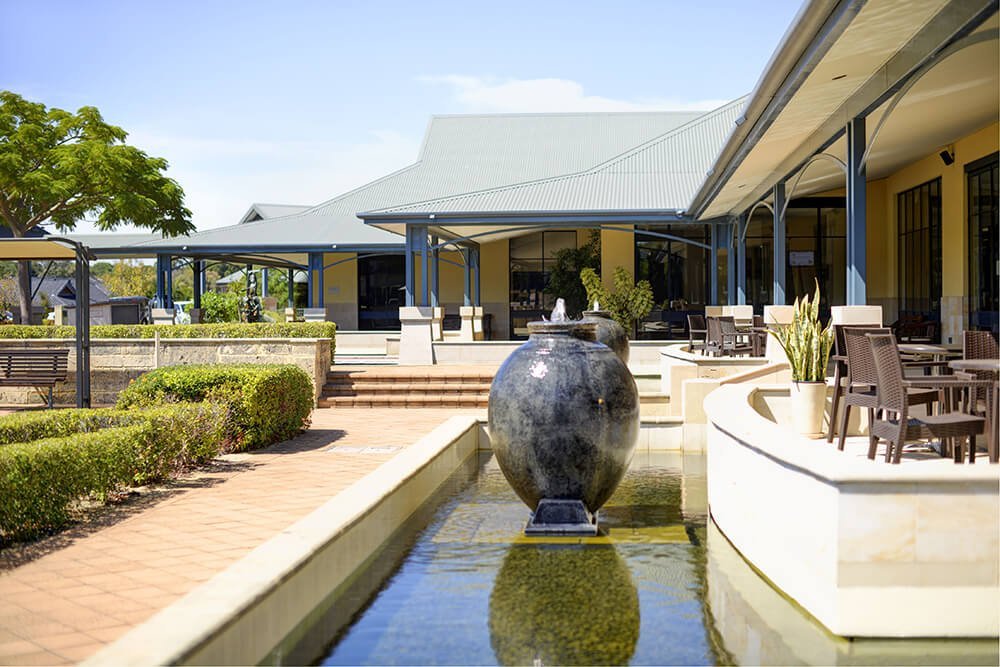
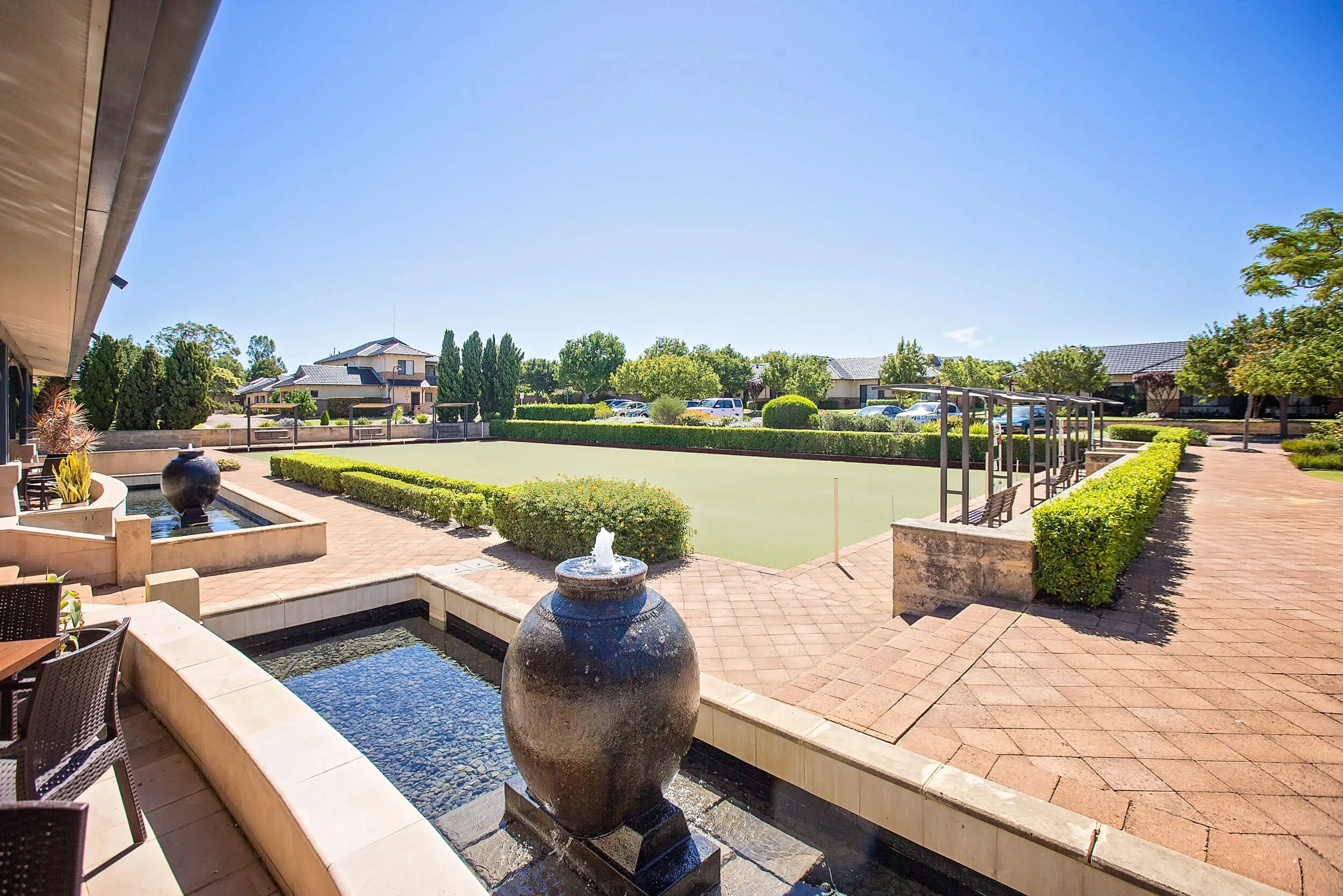
Modern retirement living communities are built like vibrant neighbourhood clubs, offering an extensive range of common facilities right on your doorstep.
Depending on the village location, amenities often include:
- Spacious clubhouses, lounges, and alfresco dining areas for social gatherings
- Indoor heated pools, spas, and fully equipped gymnasiums to support an active lifestyle
- Bowling greens, putting greens, and games rooms for friendly competition
- Creative workshops, art studios, and well-stocked libraries
- Dedicated parking options, including storage for a caravan or boat
Additionally, many villages are conveniently located close to local shopping centres, public transport, medical practices, and recreational parks. This connectivity ensures you remain deeply integrated into the wider local community.
Understanding Fees and Financial Structures
When researching retirement living options, taking time to understand the financial terms is an essential step. Financial models and contract structures vary among providers, so it pays to evaluate operator quality and long-term clarity before making a decision.
Standard financial components usually include:
- Entry Contribution: The upfront payment required to secure your home, which varies based on location, property size, and unit type.
- Monthly Service Fee: An ongoing fee that covers the operation, maintenance, and upkeep of common areas, village facilities, and management services.
- Deferred Management Fee: Often referred to as an exit fee, this is calculated as a percentage of your entry contribution or resale price when you leave the village.
Some operators also offer flexible arrangement options, such as affordable lease-for-life structures for eligible residents. Reviewing contracts with family and professional advisors helps ensure your chosen arrangement aligns with your personal circumstances.
Key Factors When Choosing Your New Home
Selecting the right village is a personal decision that shapes your next chapter. As you explore different options, consider the following key factors:
- Location: Ensure the community is conveniently located close to family, essential shopping centres, public transport, and preferred medical facilities.
- Community Atmosphere: Visit prospective communities to experience the environment firsthand. Speak with current residents and meet the village manager to gauge the culture.
- Future Care Options: Choose a provider that allows flexibility. Having access to in-home care services ensures you can remain living independently even if your health requirements change over time.
- Physical Environment: Look for water-wise landscaped gardens, accessible pathways, and home layouts that accommodate changing mobility needs.
Starting Your New Chapter
Independent retirement living offers the perfect balance of independence, security, and community connection. By letting go of home maintenance and joining a welcoming environment of like-minded neighbours, you gain the freedom to enjoy retirement on your own terms.
Whether you spend your days exploring new hobbies, travelling in your caravan, or simply relaxing in comfort, an independent living community provides the ideal foundation for a fulfilling, stress-free lifestyle.