






Key Takeaways
- Downsizing can help retirees access the value built up in their home, reduce ongoing housing costs and enjoy a home that’s easier to maintain.
- Eligible Australians aged 55 and over may be able to contribute up to $300,000 each ($600,000 per couple) to their super through the downsizer contribution scheme.
- Moving to a smaller home or retirement village can offer greater social connection, less maintenance and more time to enjoy retirement.
- Starting the decluttering process 6 to 12 months before moving can make the transition much less overwhelming.
- While your family home is generally exempt from the Age Pension assets test, selling it and investing the proceeds may affect your entitlements through Services Australia.
For many older Australians, the family home is much more than bricks and mortar. It’s where families have grown, milestones have been celebrated and countless memories have been made. But as life changes, it’s natural to start wondering whether a larger home still suits the lifestyle you want in retirement.
Downsizing isn’t about giving something up. For many people, it’s about simplifying everyday life, reducing the time and expense that comes with maintaining a larger property, and choosing a home that better supports the years ahead.
If you’re considering downsizing in Australia, taking the time to reflect on your current home and future plans can help you make a confident, informed decision. Here are seven questions worth asking before taking the next step.
1. Am I Using All the Space in My Family Home?
Many retirees find themselves living in homes that were once full of family but now have spare bedrooms and living areas that rarely get used. While those extra rooms may hold wonderful memories, they also come with ongoing costs for heating, cooling, cleaning and maintenance.
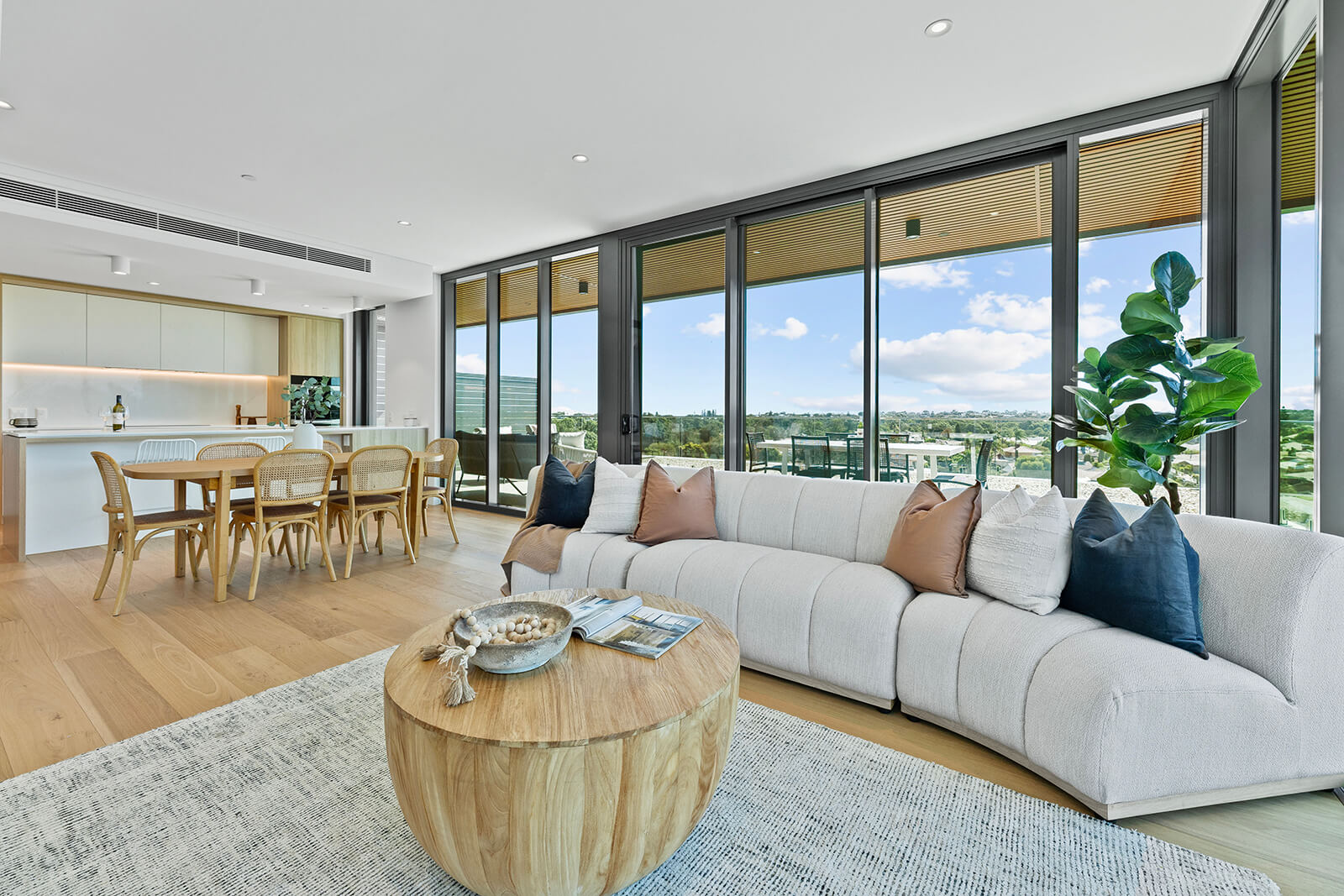
Moving to a smaller home doesn’t mean sacrificing comfort. Instead, it allows you to enjoy a space that’s better suited to your current lifestyle, while still having plenty of room for family and friends to visit. For many people, rightsizing their home also means spending less time looking after it and more time enjoying retirement.
2. Is Property Maintenance Becoming a Burden?
Looking after a larger property can become more demanding over time. Mowing lawns, cleaning gutters, maintaining gardens and organising repairs all require time, energy and ongoing expense. Even everyday tasks around the home can gradually become more difficult.
Downsizing for seniors offers the opportunity to leave much of that responsibility behind. Many retirement villages and low-maintenance homes take care of exterior maintenance and shared spaces, allowing residents to spend more time travelling, pursuing hobbies, seeing family or simply enjoying life without the constant list of household jobs.
3. Will Selling My Home Help Strengthen My Retirement Finances?
For many Australians, the family home is their largest asset. Downsizing can provide an opportunity to access some of the value built up over many years, giving you greater financial flexibility throughout retirement.
The proceeds from selling your home may help boost your retirement savings, fund future travel, renovate your new home or simply provide a greater sense of financial security. While downsizing won’t increase your overall wealth, it can make your assets work more effectively for your changing lifestyle.
Before making any decisions, it’s important to understand the costs involved in moving. Selling a property may include real estate agent fees, marketing costs and conveyancing expenses, while purchasing a new home or moving into a retirement village may involve entry costs, strata fees or other ongoing charges.
Taking these expenses into account before you sell will give you a clearer picture of how much equity you’ll have available and help you plan your next steps with confidence.
4. How Will Selling My Home Affect My Super and Age Pension?
If you’re planning to downsize, it’s worth understanding how the sale of your home could affect both your superannuation and any government benefits you receive.
Under Australian Taxation Office guidelines, eligible Australians aged 55 and over may be able to make a downsizer contribution to their super using proceeds from the sale of their home. Eligible individuals can contribute up to $300,000 each, or up to $600,000 for couples, provided the home meets the relevant eligibility requirements, including having been owned for at least 10 years.
These contributions must generally be made within 90 days of settlement and don’t count towards the usual non-concessional contribution caps or total super balance restrictions.
It’s also important to understand how selling your home may affect your Age Pension. While your principal place of residence is generally exempt from the Age Pension assets test, any proceeds that are invested or held as cash may become assessable assets under Services Australia rules.
Because everyone’s financial circumstances are different, speaking with a qualified financial adviser before making any decisions can help you understand how downsizing may affect your personal situation.
5. Is My Current Home Right for the Years Ahead?
While your home may suit your needs today, it’s worth thinking about whether it will continue to support your independence in the future.
Features such as stairs, steep driveways, narrow doorways and large gardens can gradually become more difficult to manage. Even if they’re not causing problems now, considering how your needs may change over time can help you plan ahead rather than having to make decisions under pressure later.
Downsizing gives you the opportunity to choose a home that’s designed for easier everyday living. Single-level homes, low-maintenance layouts and locations close to shops, medical services and public transport can make day-to-day life simpler while helping you maintain your independence.
For many retirees, moving into a retirement village also provides the added benefit of knowing support, community and amenities are close by if and when they’re needed.
6. Am I Ready for the Emotional Side of Decluttering?
One of the biggest challenges of downsizing often isn’t the move itself, it’s deciding what to take with you.
After decades in the same home, it’s completely natural to feel attached to the belongings you’ve collected over a lifetime. Family keepsakes, photographs and treasured possessions all tell part of your story, so letting go can take time.
Starting the decluttering process 6 to 12 months before you plan to move can make the experience much more manageable. Begin with areas that carry less emotional attachment, such as the garage, laundry or spare bedroom, before gradually working through more sentimental spaces.
As you sort through your belongings, consider what you truly use and value. You might choose to donate items, sell things you no longer need or pass special keepsakes on to children and grandchildren. Digitising old photographs and important documents can also help preserve memories while reducing clutter.
Taking small steps over time often feels far less overwhelming than trying to do everything at once.
7. Am I Waiting for the “Perfect Time” to Make a Move?
Many people who have downsized say they only wish they’d done it sooner.
It’s easy to put the decision off because life feels comfortable, or because the timing never seems quite right. However, waiting until circumstances change unexpectedly can mean making important decisions under pressure.
Choosing to move while you’re active, healthy and able to plan ahead gives you more choice and greater control over where and how you want to live. It also gives you the opportunity to settle into a new community, build friendships and enjoy everything your new lifestyle has to offer from the very beginning.
For many retirees, moving into a retirement village isn’t simply about finding a smaller home. It’s about embracing a lifestyle that offers greater convenience, connection and peace of mind for the years ahead.
Taking the Next Step Towards Your Ideal Retirement
Deciding whether to downsize is a deeply personal choice, and there’s no single right answer. Taking the time to reflect on these seven questions can help you determine whether your current home still suits your lifestyle, finances and plans for the future.
For many people, downsizing creates the opportunity to simplify everyday life, reduce ongoing maintenance and enjoy a home that’s better suited to this next stage of life.
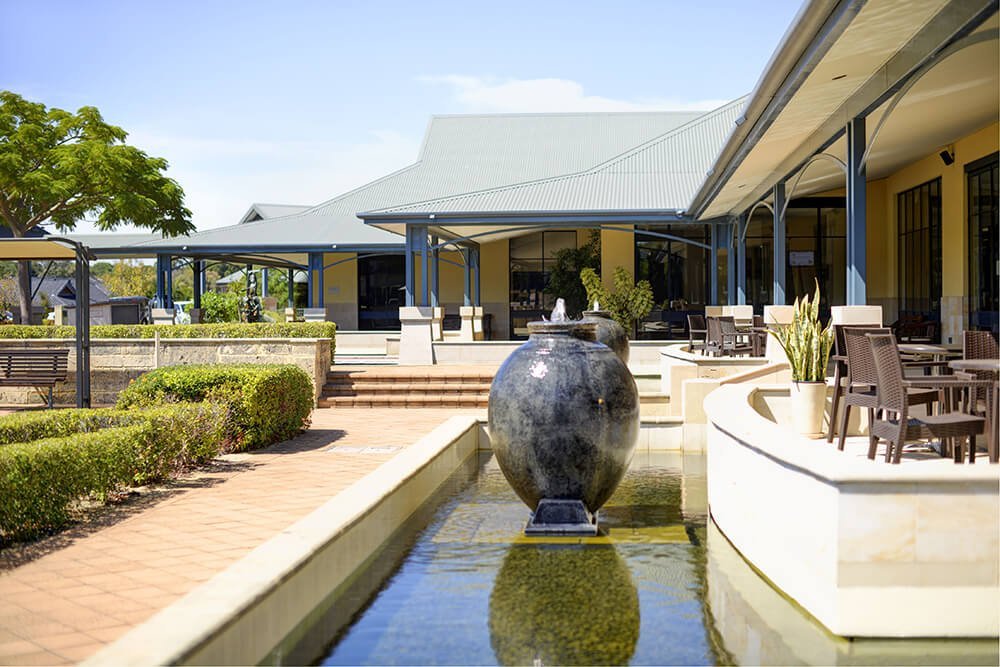
At St Ives, we’ve been helping older Western Australians make that transition for decades. Our welcoming retirement villages are designed to support independent living while providing the comfort of a connected community and beautifully maintained surroundings.
If you’re beginning to explore your options, we’d love to show you what life at St Ives could look like. Contact our friendly team today to arrange a village tour, ask questions and discover whether retirement.