





Key Takeaways
- Keep Moving: Regular, gentle exercise can support strength, mobility, balance and independence as you get older.
- Choose Low-Impact Activities: Walking, swimming, gardening and other everyday activities provide effective ways to stay active without putting excessive strain on your joints.
- Build a Balanced Routine: Combine aerobic exercise, strength training, balance exercises and stretching to support overall fitness and mobility.
- Start Safely: Begin gradually, listen to your body and speak with your doctor if you have any concerns before starting a new exercise routine.
- Stay Socially Active: Retirement living can provide opportunities to exercise, socialise and stay active alongside friends and neighbours in a supportive community
Reaching your 60s and beyond is a wonderful milestone that brings more time to focus on your health, passions and lifestyle. Staying physically active during this chapter of life is one of the best ways to support your energy, mobility and your confidence.
Regular exercise for seniors does not mean spending hours at a commercial gym or lifting heavy weights. Instead, gentle and consistent physical activity can help you stay strong, mobile and energised for the years ahead.
Whether you continue living independently in your family home or explore retirement village options, staying active can help you make the most of retirement. Across Australia, older adults are discovering that simple daily routines and supportive environments can make maintaining an active lifestyle both enjoyable and achievable.
The Many Benefits of Physical Activity for Older Adults
Maintaining an active lifestyle as you age offers a range of physical, mental and emotional benefits. Regular movement supports cardiovascular health and can help reduce the risk of conditions such as heart disease and stroke. Strength and weight-bearing activities can also support healthy bones and maintain muscles, helping you stay mobile and protect your joints.
The benefits extend beyond physical health. Staying active can support mental wellbeing, improve sleep and provide opportunities to stay socially connected. Regular movement also plays an important role in maintaining independence as you age.
Whether it is playing with the kids and grandkids, carrying groceries, tending to the garden or enjoying your favourite hobbies, maintaining your strength and flexibility can make everyday activities easier and more enjoyable.
For people living in retirement villages, staying active can also be a social experience. Joining a group fitness class, taking a morning walk with neighbours or simply spending more time outdoors can help build strong communities where residents encourage and support one another.
Getting Started Safely: What Older Adults Need to Know
Before starting a new exercise routine, it is a good idea to speak with your doctor or another qualified healthcare professional. If you have existing medical conditions, injuries or other physical concerns, they can help you determine which activities are appropriate for your individual circumstances.
Australian physical activity guidelines recommend that older adults aim for around 150 minutes of moderate physical activity each week, alongside muscle-strengthening activities on at least two days. You do not need to achieve this all at once. Breaking activity into shorter sessions throughout the day can make it much easier to build movement into your routine.
Keep these simple tips in mind as you get started:
- Always warm up: Spend five to 10 minutes performing gentle movements, such as shoulder rolls, gentle marching or arm circles, to prepare your muscles and joints.
- Listen to your body: Exercise should feel like a manageable challenge, but it should not cause sharp or significant pain. If something feels uncomfortable, stop and adjust the activity.
- Stay hydrated: Drink plenty of water before, during and after physical activity, particularly when exercising outdoors or in warm weather.
- Start gradually: If you have not exercised regularly, begin with shorter sessions and gradually increase the duration and intensity as your fitness improves.
Four Essential Types of Exercise for Seniors
A well-rounded exercise routine for seniors can include a combination of aerobic activity, strength training, balance exercises and flexibility work. Together, these activities support overall fitness, mobility and coordination, while balance exercises can help prevent falls.
1. Low-Impact Aerobic Exercise
Aerobic activities get your heart pumping and can improve cardiovascular fitness and endurance without putting excessive strain on your joints.
- Walking: A daily walk around your neighbourhood or a local park is one of the simplest ways to stay active. Start with a comfortable distance and gradually build up as your fitness improves.
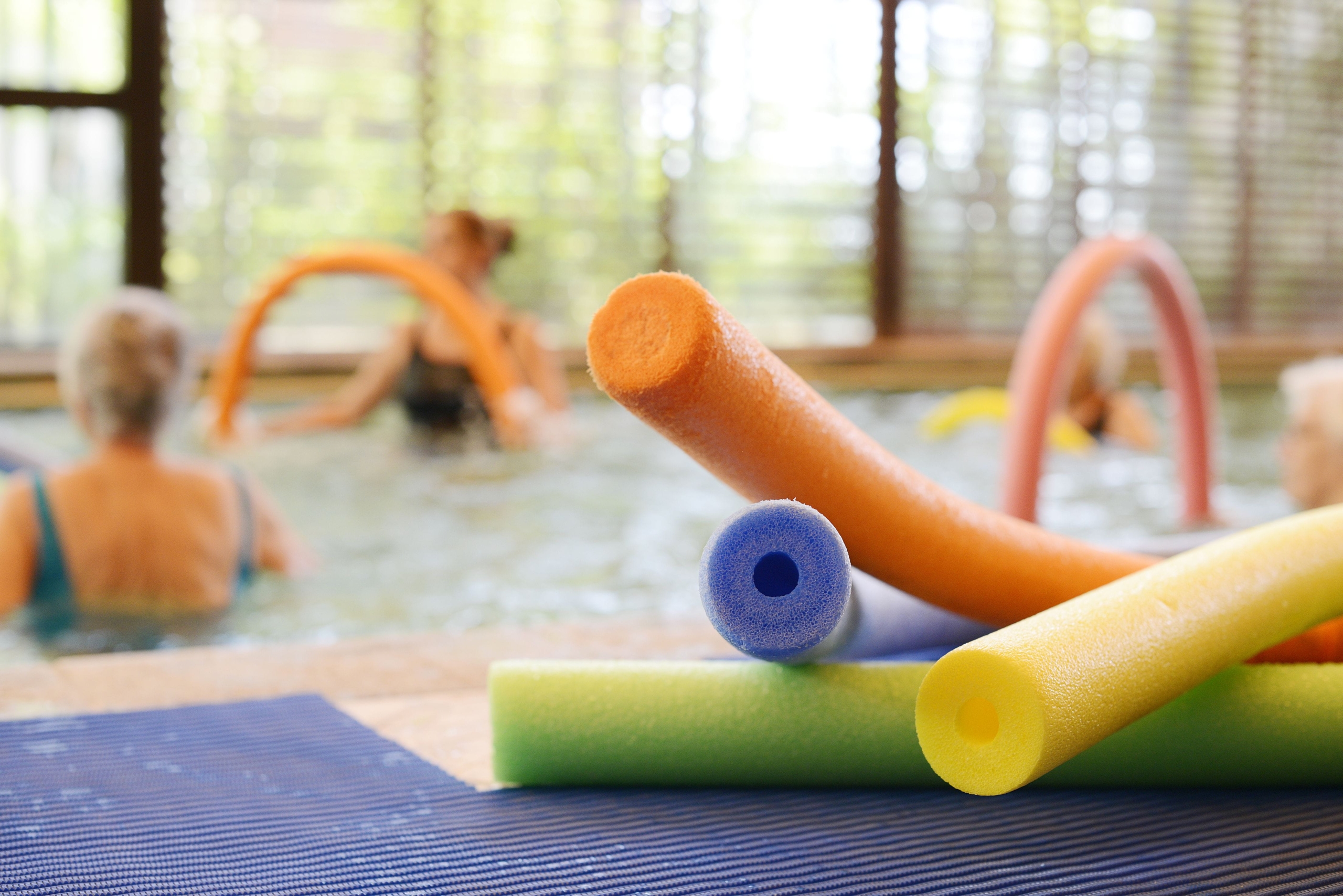
- Water aerobics and swimming: Exercising in water supports your body weight, making movement easier on the joints while providing natural resistance.
- Active everyday tasks: Gardening, digging, dancing and household activities such as vacuuming can all contribute to your overall physical activity throughout the week.
2. Gentle Strength Training
Maintaining strength is important for everyday mobility, bone health and independence. You do not need heavy equipment to get started. Exercises using your own body weight, light weights or resistance bands can provide an effective workout.
- Chair sit-to-stands: Stand up from a sturdy chair, pause briefly and slowly sit back down. If possible, avoid using your hands. This simple exercise works your legs, hips and core.
- Wall push-ups: Stand an arm’s length from a solid wall, place your hands flat against it at shoulder height and slowly bend and straighten your arms. This exercise works your chest, shoulders and arms.
- Calf raises: Hold onto a sturdy chair or bench for support and slowly raise your heels from the floor before lowering them again. This can help strengthen the lower legs and support everyday balance.
3. Daily Balance Exercises
Good balance is important for maintaining confidence and reducing the risk of falls. Simple balance exercises can be incorporated into your daily routine and gradually progressed as you become more comfortable.
- Heel-to-toe walking: Walk slowly in a straight line, placing the heel of one foot directly in front of the toes of the other. Use a wall, bench or another stable surface for support if needed.
- Single-leg stands: Hold onto a sturdy surface and carefully lift one foot from the floor. Hold for a few seconds before changing sides. Over time, you can gradually increase the duration.
- Tai Chi: This gentle mind-body practice uses slow, controlled movements and breathing. Tai chi can support balance, coordination, flexibility and relaxation, making it a popular activity for older adults.
4. Flexibility and Range of Motion
Gentle stretching can help maintain your range of motion and reduce feelings of stiffness. Focus on slow, controlled movements and avoid bouncing or forcing a stretch.
Try stretching after a walk or other activity when your muscles are warm. Gentle yoga can also be a useful way to incorporate flexibility, mobility and balance exercises into your routine.
Active Living with St Ives Retirement Living
For many older Australians, staying active is about more than choosing the right exercises. The environment you live in can also make it easier to build movement, social connection and wellbeing into your everyday routine.
For those considering a retirement village, modern retirement living can provide a lifestyle where there is less time spent on property maintenance and more opportunity to focus on the things you enjoy.
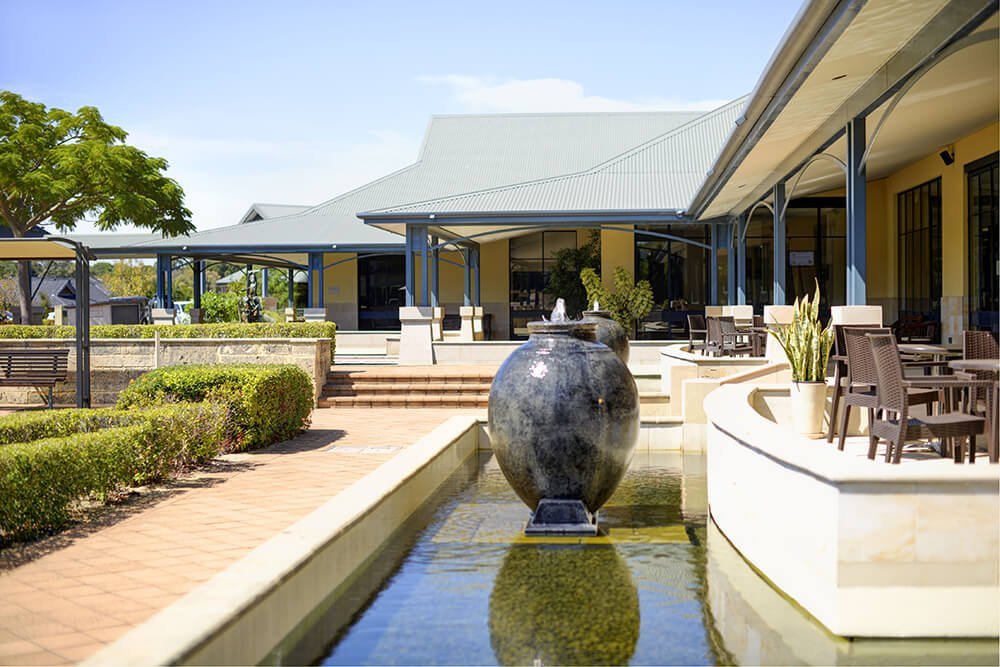
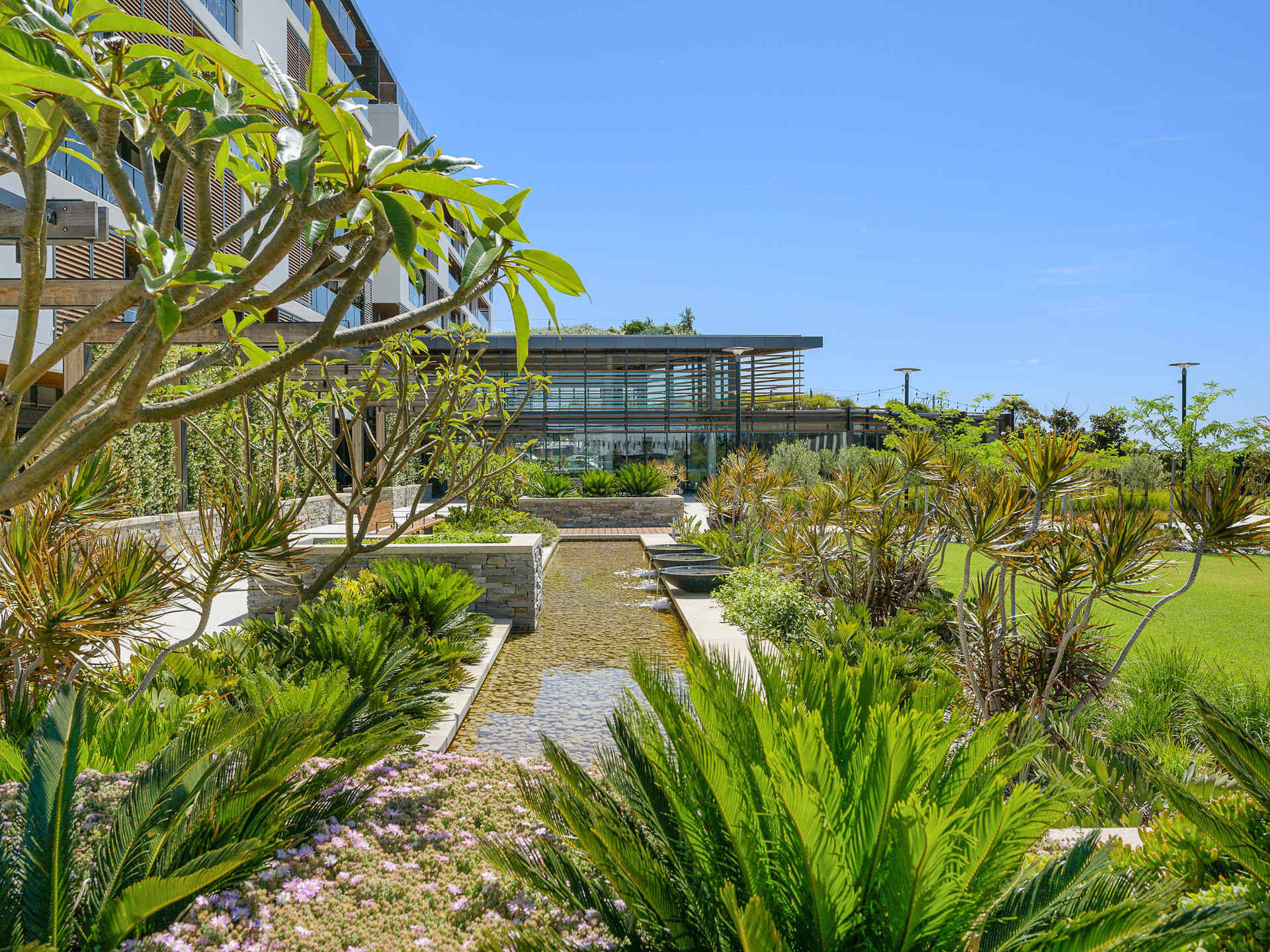
At St Ives Retirement Living, residents can enjoy a range of lifestyle opportunities designed to encourage social connection, wellbeing and an active approach to retirement. Depending on the village, this may include access to facilities and shared spaces where residents can exercise, socialise or simply spend time outdoors.
Just as importantly, living among like-minded residents can make staying active more enjoyable. You might join a group activity, take a walk with friends, participate in a social event or simply enjoy a more active daily routine with your neighbours.
Choosing retirement living is a personal decision, so it is worth taking the time to visit a village, tour the community and speak with current residents. You can also review the residence contract, understand applicable fees and costs, and consider how the lifestyle and accommodation options fit into your plans for the future.
Taking this approach allows you to look beyond the home itself and consider the wider lifestyle, community and level of support that could help you enjoy your retirement.
Embracing a Fit and Fulfilling Future
Staying fit after 60 is not about speed, heavy weights or high-intensity workouts. It is about finding enjoyable ways to keep moving and making physical activity a consistent part of your week.
By incorporating low-impact aerobic exercise, gentle strength training, balance exercises and regular stretching into your routine, you can support your mobility, strength and independence as you get older.
Whether you practice tai chi at home, take a morning walk with friends or participate in activities within a St Ives Retirement Living community, every bit of movement can contribute to an active and fulfilling lifestyle.
Start with activities you enjoy, build up gradually and speak with your doctor if you have any concerns about beginning a new exercise routine. Staying active does not have to be complicated. The most important step is simply to keep moving.