


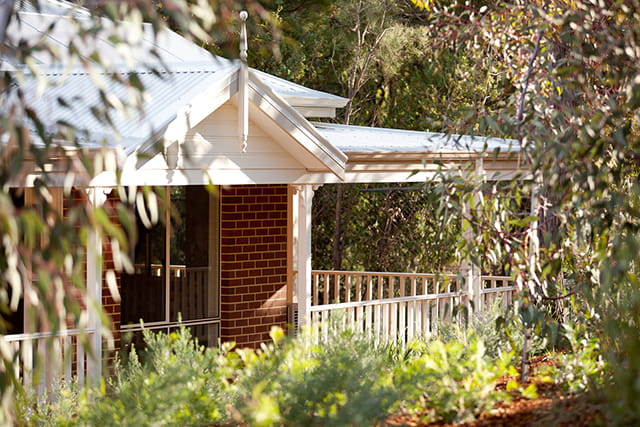
For many Australians, the family home is much more than just bricks and mortar. It is where memories were built, children were raised, and milestones were celebrated. However, as the nest empties and career commitments wind down, a large property can start to feel less like a sanctuary and more like a never-ending list of chores. Downsizing for retirement can be an emotional decision, especially when you have lived in the same neighborhood for decades, meaning strong community ties can make the idea of leaving feel a bit overwhelming.
Choosing to pursue downsizing in retirement is a major lifestyle transition, but it is one that offers a unique opportunity to simplify your life. Shifting to a more manageable property can significantly reduce the time and money spent on home maintenance, freeing you up to enjoy your hard-earned freedom. Beyond the practical day-to-day benefits, moving to a smaller home can also unlock valuable financial equity to support your long-term retirement goals. Involving family in the process and planning the move gradually can help ease the emotional weight and give you a welcome sense of control.
Planning your move with an understanding of both the emotional and financial realities ensures you can make the transition smoothly and on your own terms. It is a wonderful chance to embrace a fresh lifestyle and future-proof your living arrangements, ensuring your new home comfortably accommodates your changing needs as you age.
Assessing Your Lifestyle, Space Requirements, and Retirement Planning
The first step in any successful move is taking an honest look at how you use your current home. Many homeowners find that they routinely occupy only a fraction of their house, while still paying to heat, cool, and maintain entire rooms that sit empty for most of the year.
When looking for a new property, consider whether a smaller freestanding home or a low-maintenance apartment would better suit your daily needs. Moving to a home with less space naturally means there is far less to maintain, which is a massive win in retirement. You might still want a spare bedroom for when grandchildren sleep over, or a small study for your hobbies, but you can likely do away with formal dining rooms and massive backyards. Smaller homes generally require less upkeep, leading to reduced ongoing costs for rates, insurance, and utilities, leaving more money in your pocket for the things you love.
Location is another crucial factor to consider. Downsizing gives you the perfect opportunity to move closer to essential services, public transport, medical facilities, and local cafes. Many retirees choose this moment to relocate closer to family or to move into a vibrant lifestyle community where social activities are right on the doorstep.
Navigating the Financial Benefits, Government Benefits, and Incentives
One of the most compelling reasons to look into downsizing in retirement is the financial flexibility it can provide. Selling your home can release the equity tied up in your property, giving you extra cash for travel, leisure, or other personal goals. Selling a large, high-value asset often leaves you with surplus funds that can be reinvested to generate a steady income stream for the future.
In Australia, the federal government offers attractive incentives designed to encourage retirees to make the move. Under the current downsizer superannuation rules, eligible individuals aged 55 or older can make downsizing contributions of up to $300,000 from the proceeds of selling their main residence directly into their super fund. For a couple, this means you could potentially boost your combined retirement savings by up to $600,000.
The key advantages of the downsizer contribution pathway include:
- The contributions do not count towards your standard concessional or non-concessional contribution caps.
- You can make the deposit even if your total super balance exceeds the usual thresholds.
- There is no requirement to meet a work test, making it highly accessible for those who have already stopped working.
To be eligible for this specific contribution, the property sold must be exempt or partially exempt from capital gains tax under the main residence exemption, and you cannot have made a previous downsizer contribution from another property sale. You must have owned the property for at least 10 years, and the home must have been your main residence. It is also important to remember that the funds must be deposited into your superannuation fund within 90 days of property settlement.
While these benefits are significant, it is crucial to consider all financial angles, including the purchase price of your new home, moving costs, and other associated expenses. Factoring in real estate agent fees, legal costs, and moving expenses before making your decision will prevent any surprises down the track.
Understanding the Impact of Downsizing Contributions on Your Age Pension
While unlocking equity can give you a welcome financial boost, it is vital to understand how selling your home might impact your government entitlements.
Your principal home is generally exempt from the Centrelink assets test. However, once you sell the property, any profit you retain as cash, invest in shares, or deposit into your superannuation fund will be counted towards the asset and income tests. This change in your financial profile could potentially reduce or eliminate your Age Pension payments, especially if you are not familiar with how the income test rules interact with your new savings.
Fortunately, the government provides a temporary safety net. When you sell your principal home, the proceeds intended for purchasing or building a new home are generally exempt from the assets test for up to 24 months. Because these rules can be complex and individual circumstances vary, seeking independent advice from a financial adviser before listing your property is an excellent way to protect your long-term income.
The Practicalities of Decluttering and Moving
Once the financial plans are in place, the physical process of moving begins. Sorting through decades of accumulated belongings can feel overwhelming, which is why it helps to approach decluttering as a gradual process rather than a weekend rush.
Start by tackling one room at a time, categorising items into things you want to keep, pass on to family, donate to charity, or discard. Be realistic about what will fit into your new space. A massive eight-seater dining table or a garage full of heavy gardening tools simply won’t have a place in a modern apartment or a low-maintenance townhouse.
Focus on the positive aspects of letting go. Passing family heirlooms down to children now allows you to see them being enjoyed, and donating unwanted goods gives them a second life while clearing your path forward.
Avoiding Common Mistakes
Downsizing your home is a major life event, and avoiding common mistakes can save you both money and stress. One frequent pitfall is underestimating the true transaction costs involved. Stamp duty, real estate agent commissions, and legal fees can quickly add up and eat into your sale proceeds if they aren’t budgeted for early on.
Another common mistake is not thoroughly researching your accommodation options. There are many choices available, from retirement villages and lifestyle communities to small apartments and townhouses, each with their own ongoing fees, rules, and lifestyle implications. Failing to seek independent advice from a financial adviser or legal professional can leave you exposed to hidden costs or unsuitable contracts. Taking the time to understand all the costs and carefully comparing different options will help you find the best fit for your retirement lifestyle.
Final Checklist
Before you make the final decision to downsize, it is essential to work through a comprehensive checklist to ensure you have covered all the important considerations:
- Assess your financial situation, including the costs of moving, stamp duty, agent’s commission, and legal fees.
- Research and compare different options, such as retirement villages, lifestyle communities, and smaller properties, to find the right fit for your budget.
- Consider how selling your home and making a downsizer contribution may affect your Age Pension and eligibility under the assets test.
- Consult a financial adviser for independent advice on cash flow, retirement savings, and the benefits of downsizing.
- Have a legal professional review all contracts to highlight any ongoing fees or special conditions.
- Understand the tax implications of selling your principal place of residence and making a downsizer contribution to your super fund.
- Think about your future needs, including access to medical services, social events, and community support in your new location.
- Review your superannuation fund to ensure you understand how the contribution will impact your overall retirement income sources.
By following this checklist, you can make an informed decision, avoid unexpected surprises, and set yourself up for a rewarding, stress-free retirement lifestyle in your new home.
Taking the Next Steps
Embracing downsizing in retirement is about far more than just moving into a smaller house. It is a strategic lifestyle choice that allows you to shed the burden of property maintenance, secure your financial future, and design a lifestyle focused on leisure, travel, and family.
By taking advantage of available superannuation incentives and carefully planning your accommodation needs, you can transform this major milestone into an exciting new chapter of comfort and freedom.