







Key Takeaways
- Social Health is Vital: Strong social connection is one of the most critical social determinants of health, protecting both physical and mental health as we grow older.
- Understanding the Scope: Research and global data show that 1 in 4 older adults are socially isolated, while around 11.8% of older people experience chronic loneliness.
- Effective Solutions: Evidence confirms that group leisure activities, light physical movement, pet companionship, and consistent everyday interactions significantly reduce social isolation.
- Supportive Environments: Choosing an active retirement village provides built-in social opportunities, accessible amenities, and neighbours who look out for one another, all while preserving your complete independence.
Retirement opens the door to a world of newfound freedom. After decades of structured working weeks and busy family routines, you finally have time to travel, explore personal interests, and relax. Yet, when long-standing workplace routines wind down and family members lead full schedules of their own, this major life transition can occasionally feel unexpectedly quiet.
Feeling lonely is far more common than many people think. Around 11.8% of older adults experience loneliness, and global health data indicates that approximately one in four older adults are socially isolated.
Recognising the early sign of loneliness in yourself or a loved one is not a weakness. Social relationships are fundamental human needs. Understanding how isolation affects wellbeing, and knowing where to search for senior loneliness solutions, is the first step toward building a fulfilling, connected, and vibrant retirement.
The Hidden Impact: Why Staying Connected Matters for Health
When health professionals discuss healthy ageing, they often focus on diet, mobility, and medical check-ups. However, medical research shows that social connection is just as influential as other key social determinants of health.
Prolonged loneliness is not simply an emotional challenge; it directly influences both mental and physical health. Studies show that chronic isolation carries a health risk comparable to smoking, serving as a major contributor to early death and cardiovascular difficulty. Without regular social support, feelings of isolation can quickly lead to heightened anxiety, depression, and cognitive decline.
Conversely, staying socially active promotes healthy longevity. When older people participate in regular social activities, the body releases endorphins that reduce stress, improve sleep quality, and support immune function. Enhancing physical and mental health through daily connection is essential to enjoying a high quality of life throughout your retirement years.
Practical Ways to Combat Loneliness in Retirement
Combating loneliness in seniors involves more than simply attending an occasional gathering. A comprehensive systematic review of loneliness interventions found that programs targeting multiple lifestyle areas, combining social opportunities with personal passions, are far more effective than isolated events.
Here are proven, practical ways to nurture social connection and reduce social isolation:
1. Focus on Small, Consistent Connections
A comprehensive review of social interventions highlights that predictable, regular contact is often more comforting than rare, large gatherings. A brief chat with a neighbour over the garden fence, catching up with friends for a weekly morning tea, or greeting familiar faces on a morning walk creates a reassuring rhythm. These small daily interactions build a genuine sense of belonging.
2. Move Together Through Group Activities
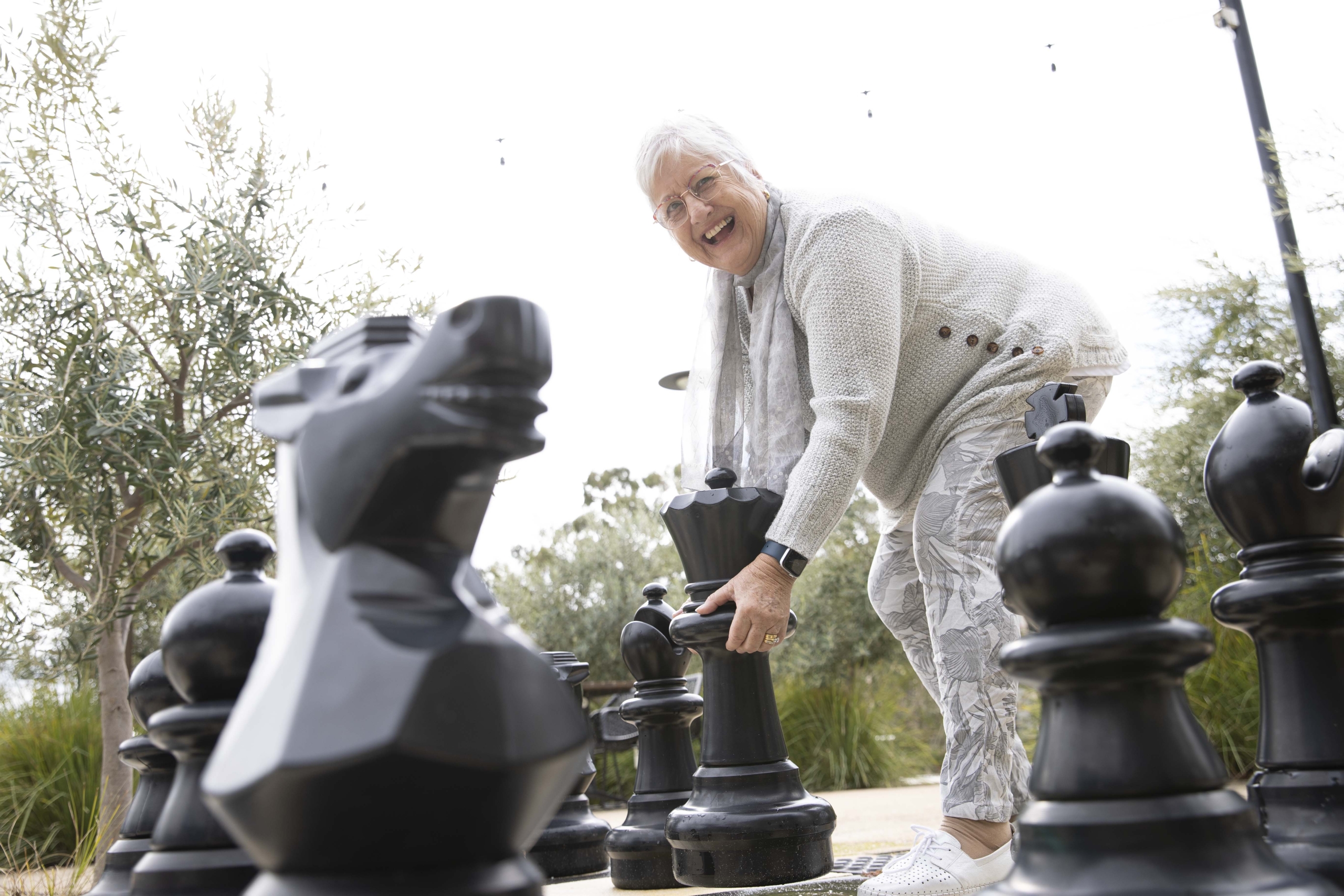
Engaging in regular physical movement protects mobility while creating effortless social opportunities. Group exercise classes, walking groups, or social sports like lawn bowls bring people together in a shared activity. Residents at St Ives regularly take part in group fitness classes, casual games on the bowling green, and complimentary golf lessons designed for active living. Moving alongside others keeps motivation high and supports both physical health and mental wellbeing.
3. Explore Arts, Hobbies, and Creative Classes
Retirement provides the free time to revisit creative passions or develop entirely new skills. Enrolling in art workshops, joining a book club, or participating in a community workshop allows you to connect over mutual interests. Research into cognitive health shows that engaging the mind through creative pursuits helps decrease anxiety and fosters meaningful friendships.
4. Welcome the Joy of Companion Animals
Pets bring unconditional companionship, emotional warmth, and structure to everyday life. Clinical studies reveal that animal-assisted connection is remarkably effective in combating loneliness, giving owners a renewed sense of purpose and an easy conversation starter with neighbours. This is why pets are warmly welcomed across the majority of St Ives villages, subject to approval from the Village Manager.
5. Bridge Distances with Technology
While nothing replaces a warm face-to-face talk, digital technology can help bridge geographical distances when friends and family live in other states or overseas. Video calling tools allow you to speak with children and grandchildren, share special milestones, and maintain regular contact. Many community groups now teach older adults how to navigate digital apps with confidence, removing technological barriers to connection.
6. Give Back Through Mentoring and Volunteering
Sharing your experience, culture, and guidance with local community groups is a powerful way to foster purpose. Intergenerational programs, where seniors connect with young people and younger people to share skills, create mutual respect and break down age discrimination. Volunteering allows you to remain actively invested in the wider community while building strong cross-generational ties.
How Retirement Village Living Cultivates Community
One of the common reasons older adults experience social isolation is the environment around them. When friends move away, transportation becomes difficult, or the family home feels too large, stepping outside can become a hurdle.
Retirement village living is specifically developed to eliminate those barriers. Moving to a community like St Ives does not mean giving up your independence; it simply provides a secure, low-maintenance home surrounded by friendly neighbours who share your life stage.
In our annual resident surveys, 91% of residents report feeling more, or just as, socially active since moving in, with over 99% expressing deep satisfaction with their neighbourhood connections.
Village life makes connection natural and optional:
- Accessible Amenities on Your Doorstep: With clubhouses, libraries, cinema rooms, swimming pools, and cafes located right on site, finding social opportunities involves nothing more than stepping outside your front door.
- Dedicated Village Calendars: From organised dinners and live theatre shows to casual morning teas, you can participate as much or as little as you like.
- Supportive Services: Reliable village transportation, on-site maintenance services, and dedicated management staff ensure you spend less time worrying about property chores and more time spending quality hours with family and friends.
- Safety and Reassurance: With level walkways and a 24-hour emergency response system in every home, you can live independently with total peace of mind.
Taking the First Step Toward a More Connected Life
Combating loneliness starts with a single step. Whether you reach out to an old friend, join a local leisure class, or seek professional guidance from a healthcare professional, small efforts create significant shifts in emotional wellbeing.
If you are interested in exploring how community living can enrich your lifestyle, we invite you to visit a St Ives village. Take a quiet walk through our gardens, speak with our residents, and discover what a supportive, welcoming neighbourhood feels like in person.
To find out more or arrange a private tour, get in touch with our friendly team today.