





Key Takeaways
- Total Independence: Independent living units are fully self-contained private homes where you retain complete freedom, privacy, and control over your personal routine.
- Lifestyle Over Chores: Exterior property upkeep and garden maintenance are handled by village teams, giving you less time spent on maintenance and more freedom for hobbies, travel, and family.
- Distinct from Aged Care: Independent living is designed for active individuals aged 55 and over who live independently, rather than those who require full-time clinical nursing care.
- Connected Communities: Residents gain access to shared amenities, social gatherings, and a welcoming neighbourhood where connection is always available on your own terms.
- Safety and Peace of Mind: Built-in safety features, including a 24-hour emergency response service and secure surrounds, offer genuine reassurance at home or while away.
Planning your next chapter is an exciting time, but exploring the different options can feel overwhelming. A quick Google search for retirement living reveals a wide range of terms and village styles across Australia. Whether you are researching retirement models from Victoria to Western Australia, or have family visiting from Melbourne, understanding the exact differences between village living, home care, and aged care is an important first step.
If your property search has introduced you to the phrase independent living units (often referred to as retirement living villas or apartments), you might be wondering how they work on a practical level, what costs are involved, and whether they fit the lifestyle you want to lead.
Here is a clear, down-to-earth guide explaining what independent living units are, what they offer, and who tends to thrive in them.
What is an Independent Living Unit?
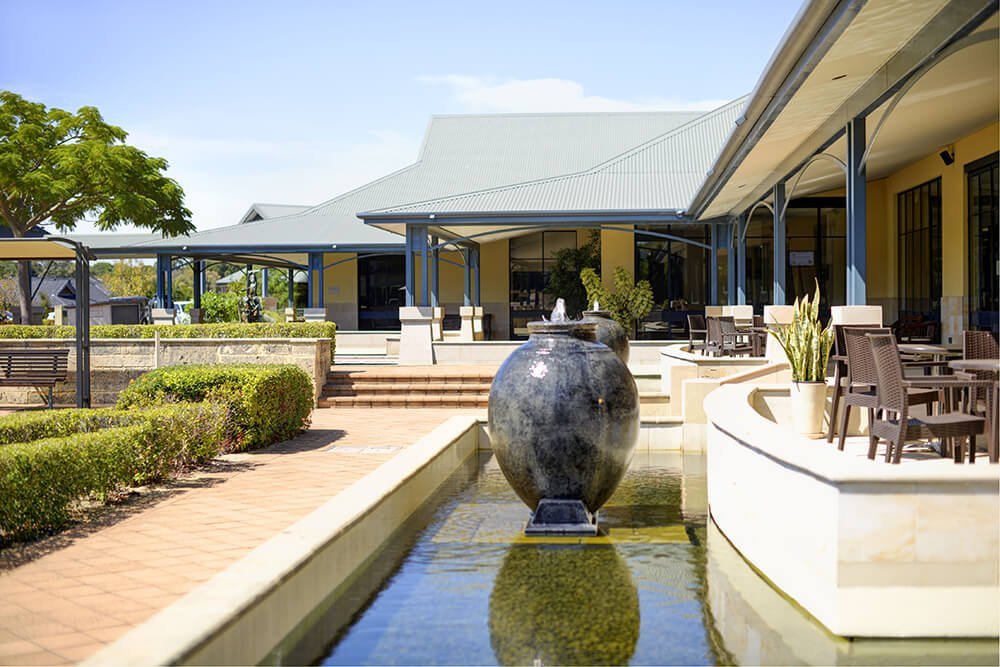
At its heart, an independent living unit (often called an ILU, villa, or retirement apartment) is a fully self-contained private residence situated within an established retirement village community, such as St Ives Retirement Living.
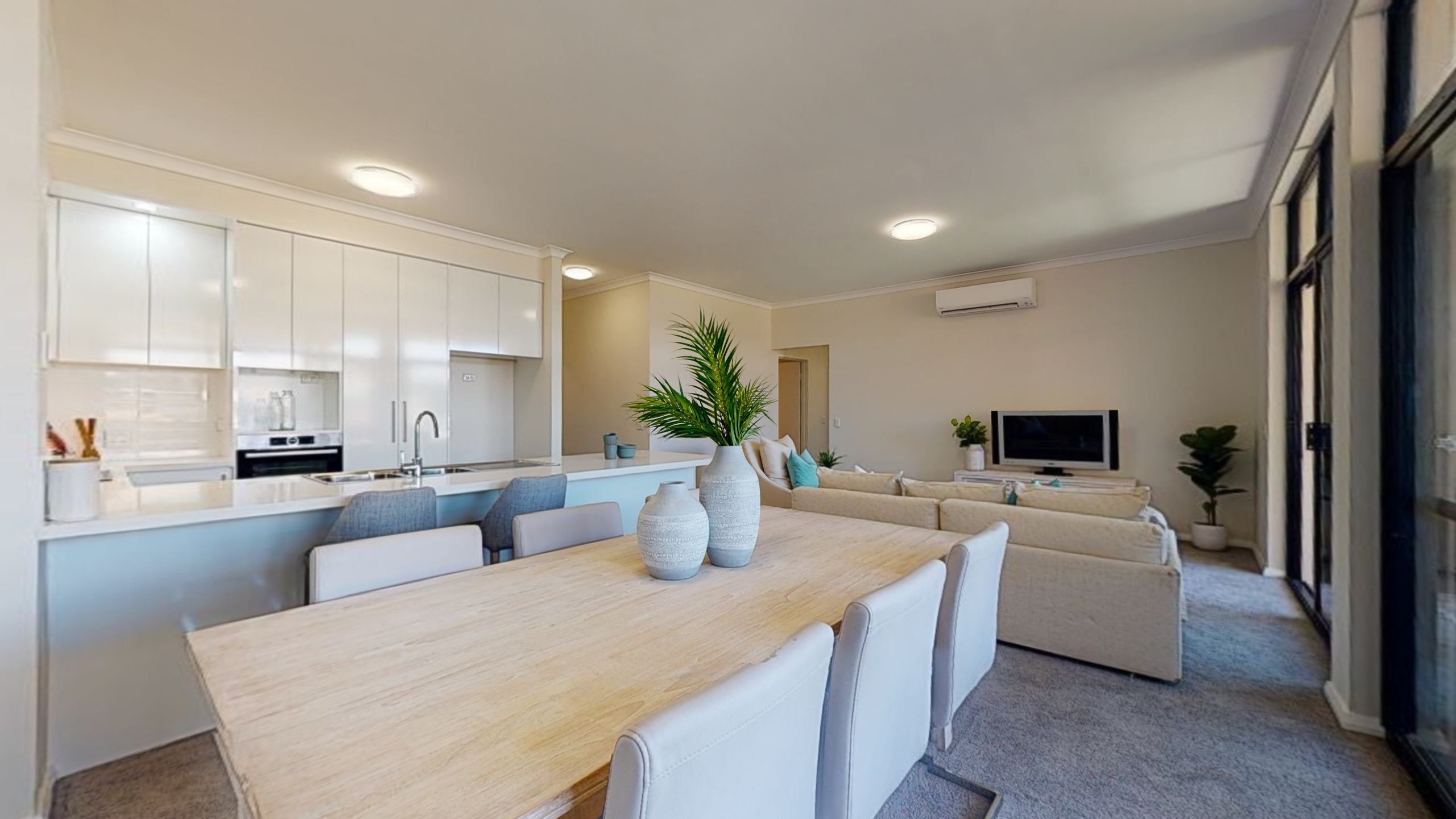
Retirement village properties are designed as vibrant lifestyle estates for active living. Options often range from a spacious two or three bedroom villa with a lock-up garage to light-filled apartments overlooking landscaped gardens.
Moving into an independent living unit allows you to maintain an active, independent lifestyle. You have your own front door, fully equipped kitchen, living area, laundry, and private outdoor space, such as a patio, courtyard, or balcony. You cook your own meals, entertain friends, set your own schedule, and decorate your home however you please.
The big difference between a standalone suburban house and an independent living unit is what happens outside your front door.
In a village, the time-consuming tasks of home upkeep are taken care of for you. The village team looks after building exteriors, common garden upkeep, and lawn mowing. Instead of spending your weekends on house repairs, you have direct access to shared community amenities like heated swimming pools, clubhouses, bowling greens, libraries, and workshops.
Independent Living vs Aged Care: Understanding the Difference
It is very common for people to confuse independent living units with residential aged care. While both support older people, they are completely separate services designed for different life stages.
- Independent Living Units: Built for active individuals, generally aged 55 and over, who are capable of living safely on their own. Standard village entry requirements ensure residents can manage their daily needs independently, enjoying the freedom of a low-maintenance home alongside a welcoming community.
- Residential Aged Care: Geared toward individuals who need dedicated, around-the-clock clinical care, help with mobility, or ongoing daily assistance with meals and dressing.
More than 184,000 seniors across Australia call a retirement village home. Many retired residents choose to move while they are fit and full of energy. Doing so gives you the benefit of settling into a supportive neighbourhood early, with the knowledge that if your support needs ever evolve, accredited home-care services can be arranged directly in your unit to help you remain independent for years to come.
What Village Life Offers Every Day
Moving into an independent living unit is about gaining time and freedom for the things you enjoy most.
True “Lock and Leave” Freedom
If you love packing up the caravan or heading off on holidays, independent living units provide unmatched peace of mind. With gated community grounds and friendly neighbours looking out for one another, you can lock your front door and travel knowing your home and gardens are safe.
Community on Your Terms
Staying socially connected plays an important role in overall health and wellbeing. Village living lets you choose your own balance. You might join a fitness class, catch up for a coffee, take part in social events, or simply enjoy a quiet Monday morning reading on your veranda. Social connection is always close by, but your privacy is completely respected.
Built-in Safety and Support
Every St Ives home is fitted with a 24-hour emergency response call service. Combined with level pathways and supportive village teams, you and your family have quiet reassurance that assistance is available if unexpected situations ever arise.
Understanding Fees and Finances in Plain English
Before making any lifestyle transition, it is helpful to look closely at how retirement village costs work. Moving into a retirement village is about prioritising lifestyle, convenience and peace of mind while enjoying a high-quality home and community.
Under retirement living regulations across Australia, financial structures generally include:
- Ingoing Contribution: The initial purchase price paid for your villa or apartment, based on its size, location, and bedroom layout.
- Monthly Common Services Fee: Regular payments that fund the daily operation of the village, upkeep of facilities, common grounds maintenance, and building insurance. In both private and for-profit villages, this predictable service fee replaces many unpredictable property upkeep costs, though residents remain responsible for their personal telephone, internet, electricity, and local council rates.
- Outgoing Costs: When your home is eventually re-leased or sold, a Deferred Management Fee (DMF) and standard refurbishment costs apply, ensuring the village facilities maintain a high quality standard for the long term.
It is always a wise note to seek independent financial and legal advice tailored to your personal circumstances before signing any agreement.
Who Do Independent Living Units Suit Best?
While everyone has individual preferences, independent living units suit people who:
- Want to downsize without compromising privacy: A modern villa offers a comfortable, accessible home that is easy to manage while giving you your own private space.
- Want to trade chores for free time: Letting a dedicated team maintain common gardens and exteriors means spending less time on upkeep and more time enjoying life.
- Value genuine connection: Moving into an active neighbourhood makes it easy to build warm friendships with people at a similar stage of life.
- Prefer to plan proactively: Settling into a village while you are feeling healthy lets you establish a supportive lifestyle on your terms.
Discover Village Life for Yourself
Moving to an independent living unit is really just a change of address, not a change in who you are. You bring your routines, your favourite furnishings, and your lifestyle with you into a fresh, low-maintenance home.
If you are interested in exploring how an independent living unit could suit your plans, St Ives provides plenty of practical resources to help you make an informed decision.
Take a look through our website, visit our contact page, or submit an enquiry form to arrange a relaxed tour of our villas and apartments located throughout Western Australia. We would love to show you around.