





Key Takeaways
- Elevate for Comfort: Raised garden beds up to 36 inches high and container pots eliminate bending, making planting and weeding easy on joints.
- Opt for Native Plants: Choosing drought-tolerant Australian natives and sturdy kitchen herbs reduces watering, fertilising, and general upkeep.
- Use Smart Equipment: Lightweight ergonomic tools and automated drip irrigation systems handle the heavy work for you.
- Pace Your Activities: Short, scheduled gardening sessions paired with comfortable seating encourage rest and long-term enjoyment.
- Retirement Living Advantages: Living in a retirement village allows you to enjoy private or community gardens while management handles heavy land maintenance.
There is something deeply satisfying about spending time outdoors, tending to plants, and watching a garden flourish. For many older adults, gardening is a cherished hobby that offers fresh air, gentle movement, and a quiet space for relaxation. However, as physical strength or energy levels change with age, maintaining a traditional backyard can sometimes feel overwhelming.
Fortunately, gardening for seniors does not have to involve heavy lifting, constant weeding, or long hours of uncomfortable bending. With a few smart adjustments and low-effort techniques, you can enjoy all the benefits of a thriving garden without the physical strain. Whether you live independently in your family home or are enjoying retirement living in a modern apartment or villa, creating an accessible garden is simpler than you might think.
The Physical and Mental Benefits of Gardening for Seniors
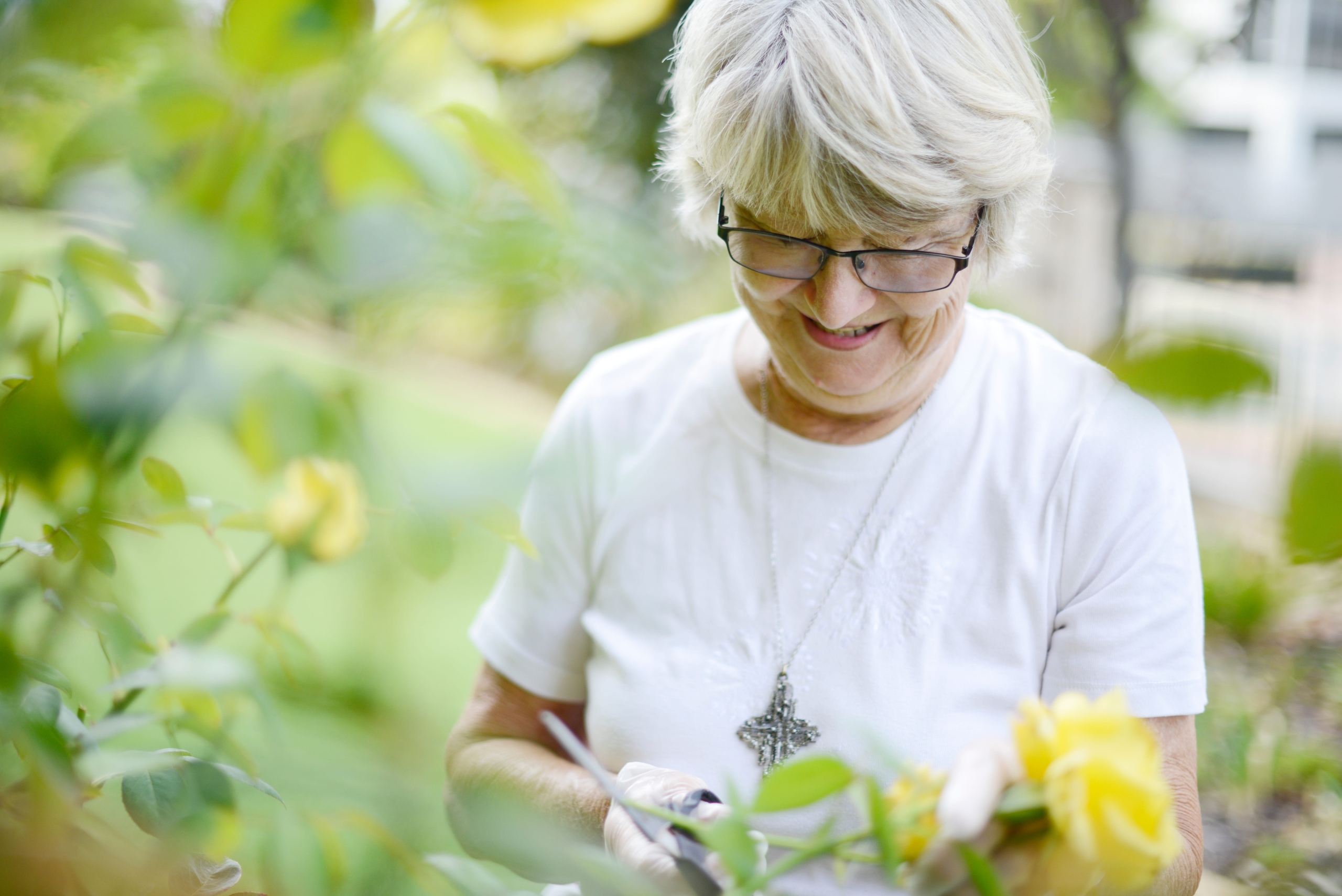
Gardening is far more than just a pleasant pastime; it is an ideal form of gentle exercise for older adults. Engaging in light outdoor activities helps improve balance, maintain flexibility, and promote joint health.
Beyond the physical benefits, spending time in a garden provides immense mental relaxation and peace. Nurturing living plants fosters a rewarding sense of purpose and joy in everyday life. Getting your hands in the soil releases tension and offers a soothing respite from daily routines.
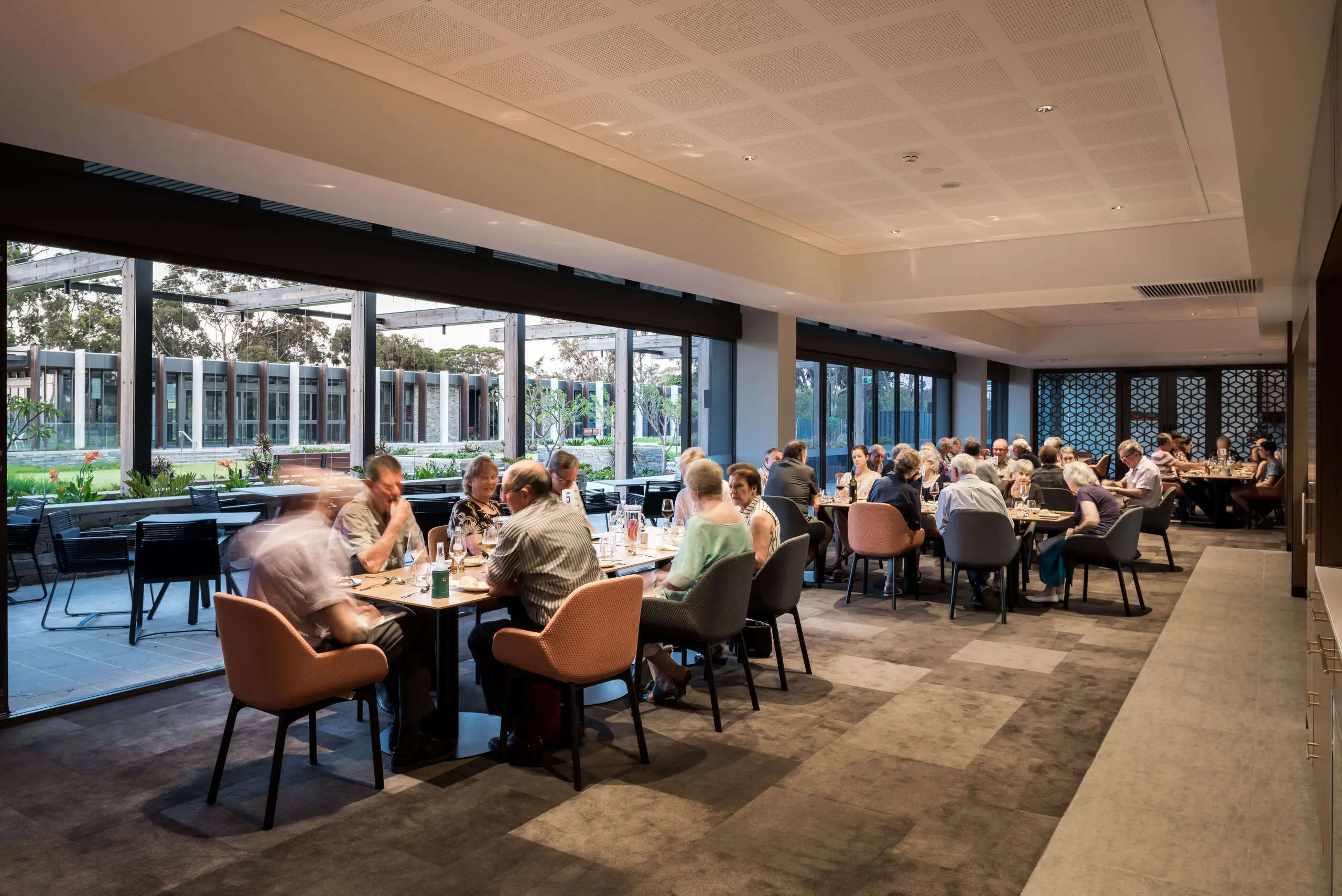
For residents living in a retirement village or community setting, shared garden plots also encourage strong social connections. Working alongside neighbours offers natural opportunities to chat, swap advice, and build lasting friendships with people who share similar interests and life stages.
Smart Techniques for Low-Effort Gardening
To keep gardening accessible and enjoyable, it helps to adapt your methods to suit your physical needs. Incorporating ergonomic strategies allows you to create a thriving landscape with minimal exertion:
- Raised Garden Beds: Elevated garden beds are one of the most effective solutions for older gardeners. Raising planter beds to a comfortable height, up to 36 inches tall, completely eliminates the need for bending or kneeling. This simple modification protects your back and knees while making planting, weeding, and harvesting effortless.
- Container and Pot Gardening: If space is limited, container gardening is an excellent alternative to traditional garden beds. Pots, troughs, and hanging baskets allow you to grow flowers, herbs, and small vegetables on a patio, balcony, or courtyard. They require no heavy digging and can easily be positioned to catch optimal sunlight.
- Ergonomic Tools: Modern tools are designed specifically to reduce physical strain. Look for lightweight watering cans, long-handled trowels, and soft-grip pruners that reduce wrist fatigue.
- Automated Watering Systems: Installing drip irrigation or simple tap timers saves considerable effort and removes the burden of carrying heavy hoses across the yard.
- Pacing and Seating: Plan short gardening sessions with regular breaks. Placing comfortable garden seating nearby invites you to sit, rest, and enjoy the tranquility and beauty of your surroundings.
Choosing Low-Maintenance Plants and Herbs
Selecting hardy plant species is essential if you want a vibrant garden that requires minimal ongoing upkeep. Choosing species that thrive in your local climate ensures your outdoor space looks beautiful year-round without constant attention.
Australian native plants are naturally adapted to local soil conditions, making them drought-tolerant and resilient against pests. They require significantly less water and fertiliser than exotic species, while attracting colourful native birdlife and butterflies for relaxing observation.
Herb gardening is another deeply satisfying option for older adults. Popular kitchen herbs such as rosemary, thyme, oregano, parsley, and basil flourish in small containers or raised beds. They demand very little maintenance, produce delightful fragrances, and provide fresh, organic flavours for home cooking.
Gardening in Retirement Village Accommodation
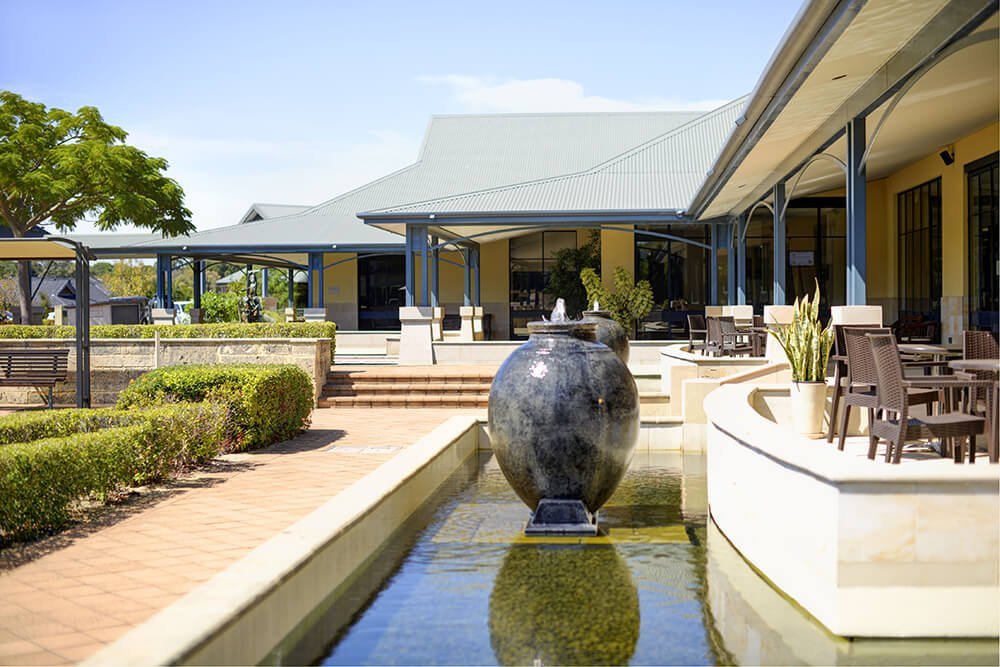
For many retirees, transitioning into a retirement village offers an ideal balance between maintaining independence and reducing household chores. Modern retirement accommodation options include independent living units, spacious villas, serviced apartments, and other retirement accommodation styles, giving seniors plenty of lifestyle choices.
A major advantage of retirement village living is that the village operator and management team handle major property upkeep and land maintenance. This setup frees residents to enjoy gardening purely as an engaging hobby rather than an exhausting responsibility. You can decorate a private verandah with pots or participate in communal garden projects.
When exploring retirement villages, it is worth asking about the site layout, amenities, and community events centred around nature. Ongoing service fees cover general maintenance, rates, and security, ensuring you can focus on the activities you love. Furthermore, many St Ives retirement villages offer access to on-site aged care services if your care needs evolve, ensuring long-term peace of mind within a warm community.
Simple Steps to Begin Your Low-Effort Garden
Starting a low-maintenance garden does not require a large financial commitment or extensive labour. Begin small by selecting a bright, accessible spot on your verandah or setting up a single raised planter bed. Choose two or three low-maintenance native plants or herbs, gather a few lightweight tools, and work at a comfortable pace.
If you are considering a move, taking a tour to visit a St Ives retirement village can help you explore dedicated garden spaces and social amenities. Taking time to sit among nature, cultivate fresh plants, and share your harvest with friends brings immense contentment and vitality to your retirement years.
Why not start now?
Gardening for seniors should always focus on joy, comfort, and physical well-being rather than arduous chores. By adopting practical modifications like raised beds, ergonomic tools, and waterwise native plants, older adults can cultivate a flourishing garden with minimal effort. Whether tending a container garden on a balcony or socialising in a shared village green, staying connected to nature is a wonderful way to enjoy active, healthy ageing.