


Retirement is often described as the second act of life, and for many Australians in 2026, it is proving to be the most active one yet. While the initial few weeks of sleeping in and relaxing are wonderful, the novelty can eventually wear off. This is why finding engaging hobbies for retirees is so important. A great hobby does more than just fill the hours between breakfast and dinner. It provides a sense of purpose, keeps your mind sharp, and offers vital opportunities for social connection.
In the current landscape, retirees are looking for more than just a way to pass the time. They are looking for ways to stay fit, learn new skills, and give back to their local communities. Many people find that the best way to explore these interests is within the social hub of a retirement village. Whether you have just finished a long career or have been retired for a few years, there has never been a better time to try something new. From the quiet satisfaction of the workshop to the tactical challenge of the green, here are ten of the best hobbies for retirees in Australia this year.
1. Lawn Bowls: The Tactical Heart of the Village
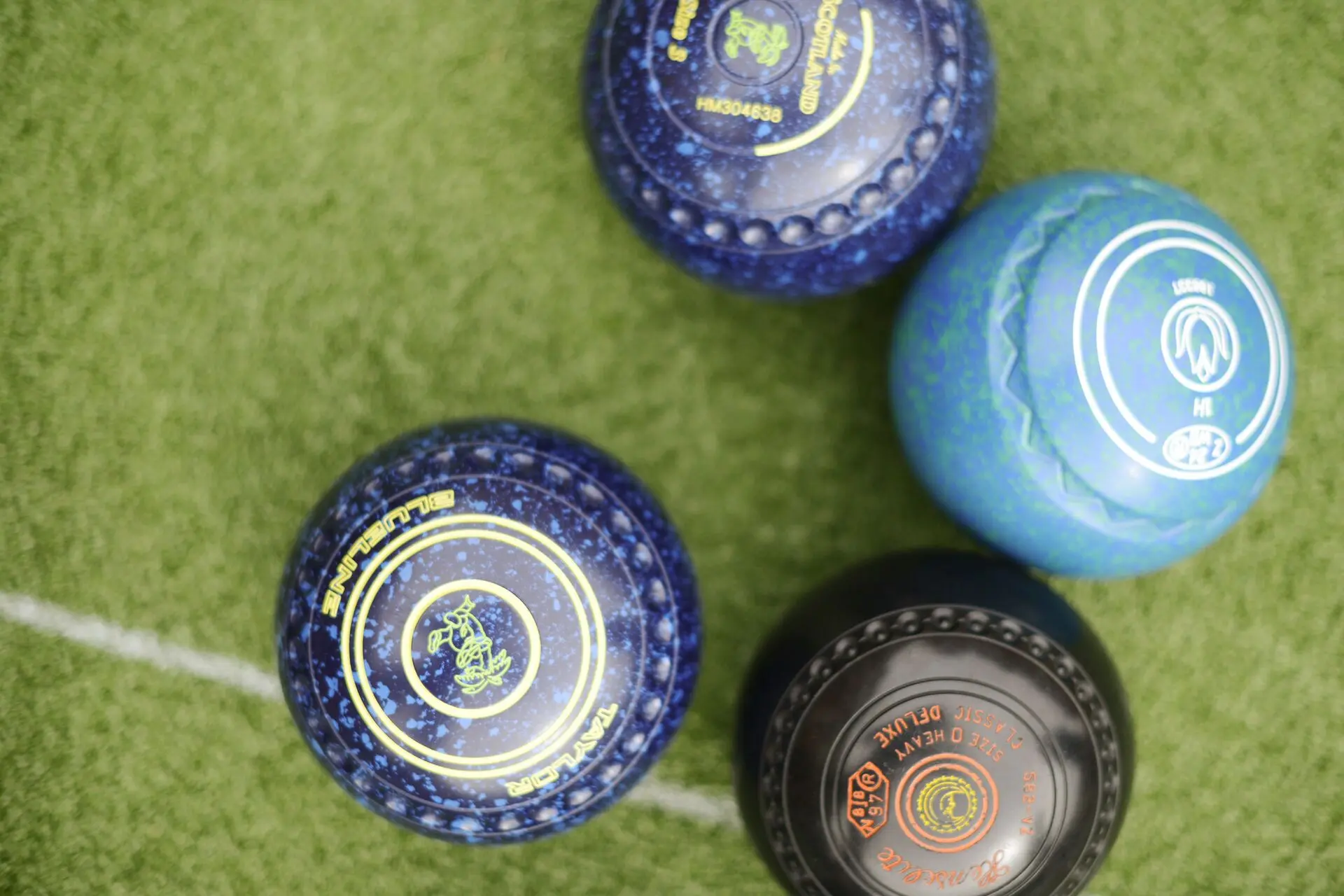
Lawn bowls remains a cornerstone of Australian retirement life for good reason. It is a sport that rewards strategy and precision over raw power, making it accessible for everyone. Most retirement villages feature pristine bowling greens that serve as the social heart of the community.
The beauty of lawn bowls is the balance it provides. It offers gentle physical activity that keeps you moving without overexertion. Perhaps more importantly, it is a team-based sport that encourages regular interaction. Whether you are playing a competitive tournament or having a “roll up” on a sunny afternoon, the post-game refreshments at the clubhouse are just as important as the score.
2. Community Gardening and Sustainable Living
Gardening has always been a staple of Australian life, but 2026 has seen a shift toward shared community plots. Many retirees are moving into villages and enjoying the benefits of raised garden beds that are easy on the back. Joining a community garden allows you to keep your hands in the soil while sharing resources and seasonal tips with your neighbours.
These gardens are often hubs for sustainable living. You might find yourself learning about composting, worm farming, or how to grow native Australian herbs. It is a hobby that offers physical benefits through movement and mental benefits through a direct connection with the changing seasons.
3. Genealogy and Family History Research
With the massive amount of digital records now available, tracing your family tree has become one of the most rewarding intellectual hobbies for retirees. It is like solving a lifelong mystery. Many Australians are using their retirement to document their heritage, discovering stories of early settlers, migrants, and ancestors from across the globe.
Many villages have computer clubs or interest groups to help you get started. This hobby is perfect for those who enjoy research and want to leave a lasting legacy for their children and grandchildren. It often leads to heritage travel, where you might plan a trip to see the town where your ancestors were born.
4. Crafting in the Workshop
The village workshop is a place of incredible creativity and camaraderie. Unlike a solo garage at home, a communal workshop provides a safe and busy environment where you can work on meaningful projects at your own pace. While woodworking is a classic choice, many workshops now also cater to furniture restoration, toy making, or even small metalwork projects.
For many, the workshop provides a sense of purpose that can be missing after leaving the workforce. It is a place to share skills, help a neighbour fix a broken chair, and contribute to community projects. Having access to professional-grade tools and the advice of fellow makers makes it much easier to start a project you may have avoided in the past.
5. Digital Creation: Blogging and Podcasting
Retirement in 2026 is more tech-savvy than ever before. Many retirees are taking their years of professional expertise or personal passions and sharing them online. Starting a blog or a podcast is a fantastic way to keep your technical skills sharp while engaging with a global audience.
You do not need to be a tech expert to start. Modern platforms are very user-friendly, and most villages offer “tech-help” sessions to get you up and running. Whether you are sharing travel tips, cooking recipes, or life lessons, digital creation provides a creative outlet that can be managed entirely from your own study.
6. Purposeful Volunteering
Many people find that the most fulfilling part of retirement is giving back. Volunteering allows you to use your professional skills in a completely different context. You might mentor a young person starting their first business, help out at a local animal shelter, or volunteer your time with an environmental group.
Volunteering provides a structured routine to your week, which can be very helpful in the early stages of retirement. It connects you with people of all ages and ensures you remain an active part of the broader community outside the village gates.
7. Creative Arts: Painting and Pottery
Tactile hobbies are seeing a massive resurgence in 2026. Many retirement villages now offer dedicated art studios where residents can explore painting and pottery. Painting, in particular, is a wonderful way to express yourself, whether you prefer the delicate touch of watercolours or the bold textures of acrylics.
These classes are often held in small, intimate groups, making them a great way to make new friends. The process of creating something from nothing is deeply satisfying and encourages a “flow state” where you can completely lose track of time. Plus, you end up with unique, handmade gifts for family and friends.
8. Learning a New Language
It is a myth that you cannot learn a language later in life. In fact, language learning is one of the best ways to improve cognitive function and memory. In 2026, many retirees are choosing to learn a language as a precursor to a major overseas trip.
Whether you use an app on your tablet or join a conversational group in the village community centre, the process is a great workout for the brain. It also opens up a whole new world of international films, books, and cultural experiences that you can share with your fellow students.
9. Walking Groups and Nature Trails
Australia has some of the most beautiful walking tracks in the world, and many retirement villages are situated near parks or coastal paths. Joining a village walking group is a simple and cost-free way to stay active. Unlike solo walks, group walks provide motivation and a chance to catch up on news while you move.
Many groups focus on specific interests, such as birdwatching, photography, or identifying native flora. It is a low-impact way to keep your heart healthy and your mood lifted. Group walks often end with a social coffee, making them a highlight of the weekly calendar.
10. Learning a Musical Instrument
If you have always wanted to play the piano, guitar, or even the ukulele, retirement is the perfect time to start. Music engages almost every part of the brain and provides a wonderful sense of achievement as you master your first few songs.
Many villages have music rooms or community choirs that welcome beginners. Learning in a group environment takes the pressure off and makes the experience much more fun. If you prefer a solo approach, many teachers now offer lessons via video call, allowing you to learn at your own pace from home.
Finding the Right Hobby for You
Choosing between different hobbies for retirees does not have to be a permanent decision. The best approach is to try a few different activities to see what fits your current lifestyle. You might find that you enjoy a mix of one physical activity, one creative outlet like painting, and one social commitment in the workshop.
Retirement is the first time in your life when your schedule is entirely your own. Use this freedom to explore interests you may have put on the backburner for decades. The goal isn’t necessarily to become an expert, but to find joy in the process of learning and doing.